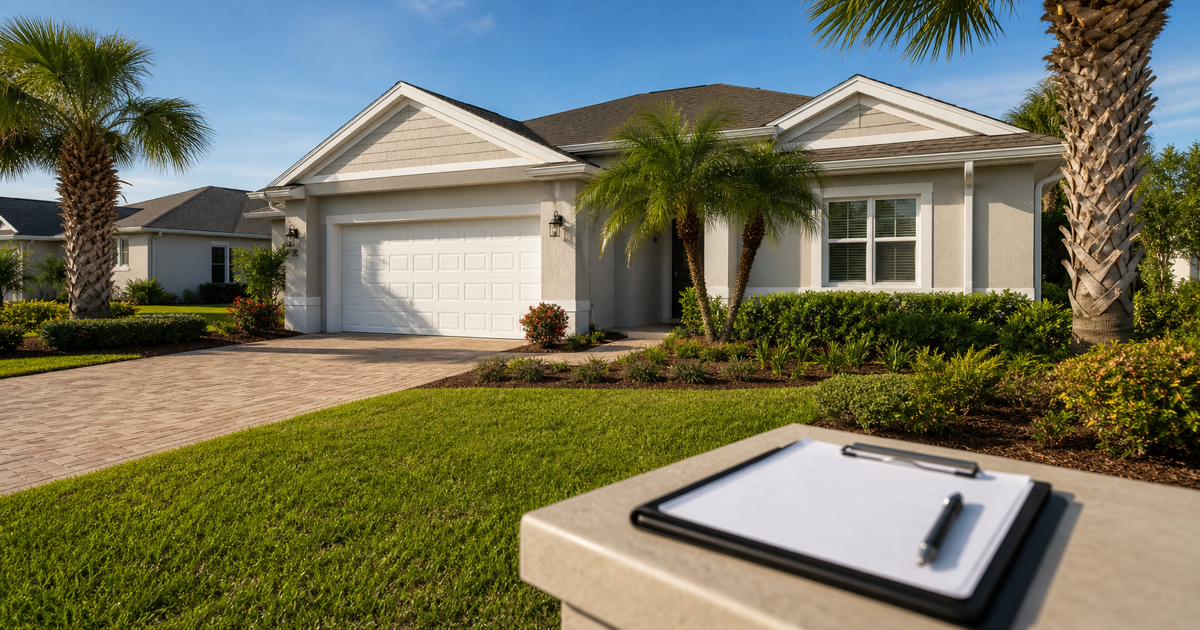
Why Florida Property Managers Need Better Rental Listing and Inspection Photos in 2026
Florida property managers are working in a rental market where presentation and documentation now matter at the same time. A rental listing needs to earn attention online, but the same property also needs a clear visual record before move-in, during maintenance, and after move-out.
That is the practical reason to treat photography as an operating system, not just a marketing add-on. Professional rental media helps prospective tenants understand the property before they book a tour. Structured inspection photos help owners, managers, vendors, and residents talk about the actual condition of the home with less guesswork.
For PropertyHDR clients in Central Florida, the strongest workflow is usually a combined one: listing photos for leasing, floor-plan or layout context when useful, exterior and amenity photos for comparison, and condition documentation that is separated from the marketing gallery.
The rental market is giving renters more choices
When renters have more options, weak photos make a property easier to skip. In April 2026, Zillow Research reported that 39.8% of rentals on Zillow offered concessions, and its table showed Orlando, FL at 53.4% of rental listings with concessions and a typical rent of $1,963. Source: Zillow April 2026 Rental Report.
That does not mean every Florida rental needs a discount. It does mean property managers should assume renters are comparing listings more carefully. A dark gallery, missing room angles, or confusing exterior photos can make a unit feel less trustworthy even when the property itself is competitive.
Better listing photos help answer the questions renters ask before contacting the manager:
- What does the main living area actually feel like?
- How much natural light reaches the bedrooms?
- Is the kitchen clean, current, and functional?
- What condition are the floors, walls, fixtures, and bathrooms in?
- Does the exterior match the online description?
- Is the property close to parking, yard space, amenities, or neighborhood features that matter?
Professional photography does not replace pricing, maintenance, location, or leasing service. It makes those factors easier to evaluate. In a market where renters can compare many options in one sitting, clear visual information reduces friction.
Renters increasingly expect digital media before they tour
Rental decisions are not happening only at the front door. They begin on screens, often before the renter has spoken to anyone from the management team.
Zillow's 2025 renter research reported that its survey included more than 24,400 unique renters and was fielded from March to July 2025; the same report found that 57% of recent renters considered at least one listed digital media feature essential, including exterior drone capture, virtual staging, or interactive 3D common-area tours. Source: Zillow Consumer Housing Trends Report 2025.
For a Florida property manager, the lesson is not that every rental needs every media product. The lesson is that renters are comfortable evaluating homes through digital evidence. A single-family rental in Davenport may need clean HDR photos, exterior views, and a simple room-flow sequence. A larger multifamily community in Orlando may benefit from amenity photos, exterior drone context, common-area media, and a clearer unit-to-community story.
The best media mix depends on the asset:
- Single-family rentals: exterior, entry, living room, kitchen, bedrooms, bathrooms, laundry, garage, yard, and any community amenities.
- Townhomes: front elevation, parking approach, shared walls context, downstairs flow, upstairs bedrooms, storage, patio or balcony, and HOA/community features.
- Multifamily units: unit interiors, building exterior, parking, pool, gym, lobby, mail/package areas, pet areas, and nearby access points.
- Vacation or short-term rentals: room-by-room photos, sleep setups, outdoor living, kitchen equipment, bathrooms, pool or spa areas, and arrival context.
The goal is not to create a glossy image set that hides reality. The goal is to show the property clearly enough that qualified renters feel confident taking the next step.
Marketing photos and inspection photos should not be the same gallery
A strong rental workflow separates two different jobs.
Marketing photos are designed for selection. They show the property at its best while staying accurate. They need clean composition, balanced light, room flow, exterior context, and enough detail for renters to understand the space.
Inspection photos are designed for evidence. They document condition. They should be organized by area, date, room, and issue type. They should include wider context photos as well as close-up details when something needs attention.
Mixing those two purposes creates problems. If the listing gallery contains every scuff, stain, appliance label, and maintenance note, it becomes noisy and less useful for leasing. If the inspection folder contains only polished marketing angles, it may miss the detailed condition record the manager needs later.
A better structure is simple:
- Use one polished gallery for the rental listing.
- Use one internal folder for move-in condition.
- Use one internal folder for maintenance and vendor documentation.
- Use one internal folder for move-out condition.
- Keep file names and folder labels consistent enough that another team member can understand the record later.
This is especially useful for remote owners. A manager may understand the property from experience, but an owner who lives outside Central Florida needs visual context to approve repairs, compare turns, or understand why a unit needs work before it goes back on the market.
Florida deposit timelines make condition records important
Property managers should not treat photos as a substitute for legal process, lease language, or professional legal advice. They should treat photos as a practical support for clear communication.
Florida Statutes section 83.49 includes statutory security-deposit disclosure language stating that the landlord must provide written notice within 30 days after move-out when imposing a claim against the deposit, and that the tenant has 15 days after receipt of the written notice to object. Source: Florida Statutes 83.49.
That timeline makes the quality of the move-in and move-out record matter. If a manager waits until there is a dispute to search for photos, the record may be incomplete. If photos are captured consistently at move-in, after repairs, and at move-out, the manager can explain condition changes more clearly.
A useful inspection photo set usually includes:
- A wide photo of each room from the entry.
- A second angle of each room when layout or condition is not obvious.
- Floors, walls, ceilings, doors, windows, and closets.
- Kitchen counters, cabinets, sink, appliances, and backsplash.
- Bathroom vanity, tub or shower, toilet, flooring, ventilation, and fixtures.
- Garage, laundry, mechanical areas, exterior walls, roofline view from the ground, driveway, fence, landscaping, and patio.
- Close-ups for damage, wear, missing parts, stains, or repair issues.
- A clear record of areas that were clean and undamaged, not just problem areas.
The last point is easy to overlook. A file full of only damage photos can feel like a complaint folder. A balanced condition record shows both the normal state of the property and the specific exceptions.
Access and repair visits need a documentation rhythm
Florida managers also need to think about how routine access, repairs, and vendor visits are documented. The point is not to over-document every minor task. The point is to create a reliable visual trail for important conditions.
Florida Statutes section 83.53 states that landlord access may include inspection, repairs, agreed services, or showing the dwelling, and it defines reasonable notice for repair as at least 24 hours with reasonable repair time between 7:30 a.m. and 8:00 p.m. Source: Florida Statutes 83.53.
For photo documentation, that suggests a disciplined rhythm:
- Before repair: document the reported issue and surrounding area.
- During repair when needed: capture context that explains scope.
- After repair: photograph the completed work from the same general angle.
- Before listing: capture the rent-ready condition.
- After move-out: photograph the same areas again for comparison.
This workflow helps with vendor coordination. A plumber, roofer, handyman, cleaner, painter, or flooring contractor can understand the problem faster when the manager can share accurate images. Owners also make better approval decisions when they can see what changed rather than relying only on a short written note.
For exterior and roof-adjacent issues, drone or long-lens documentation can add value when ground-level photos do not show enough context. The right approach depends on access, safety, property type, weather, and the exact question the manager needs answered.
Inspection standards are moving toward clearer physical condition records
Formal inspection programs also show a broader industry truth: rental housing decisions depend on documented physical conditions.
HUD maintains the National Standards for the Physical Inspection of Real Estate through its Real Estate Assessment Center. Source: HUD NSPIRE standards.
Not every private rental property is part of a HUD inspection program. Still, property managers can borrow the operational lesson: condition needs to be observable, organized, and documented. A vague note that says "unit needs work" is not as useful as a room-by-room photo record showing exactly what needs attention.
That matters for:
- owner reporting;
- vendor scopes;
- make-ready planning;
- renewal conversations;
- insurance-adjacent documentation;
- resident communications;
- portfolio reviews;
- recurring maintenance patterns.
The more units a manager handles, the more important consistency becomes. A portfolio with ten different photo styles, naming patterns, and folder structures becomes hard to search. A portfolio with a repeatable documentation standard becomes easier to manage.
What PropertyHDR can capture for rental properties
PropertyHDR can support Florida property managers with media that fits both leasing and documentation needs. The right scope depends on the property, but a practical package may include:
- Professional HDR rental listing photography.
- Exterior and amenity photos.
- Drone photos when aerial context helps explain the property or community.
- Floor plans where layout clarity improves renter confidence.
- Property inspection photos for move-in, move-out, maintenance, or owner reporting.
- Repeat documentation for portfolios that need a consistent visual standard.
For most rental properties, the highest-value approach is to plan the shoot around the decision the images need to support. If the goal is leasing, the shot list should help a renter understand space, condition, and lifestyle context. If the goal is documentation, the shot list should help a manager compare condition over time.
Those are related goals, but they are not identical.
A practical rental photo checklist for Florida managers
Before the next rental shoot, property managers should prepare three things.
First, define the use case. Decide whether the shoot is for a listing, a move-in record, a move-out record, repair documentation, owner reporting, or a combination. This prevents the photographer from optimizing for the wrong outcome.
Second, clean and stage only to the level that is truthful. Rental photos should not misrepresent condition. Remove trash, open blinds, turn on lights, organize counters, and address obvious maintenance items before the listing shoot when possible. Do not hide defects that need to be disclosed or documented internally.
Third, create a simple shot list. Include every major room, exterior elevations, parking, storage, yard or patio areas, amenities, and known condition concerns. If a specific owner or vendor question needs an answer, put that question into the shoot notes.
For repeat portfolio work, keep the shot order consistent:
- Front exterior.
- Entry and main living area.
- Kitchen.
- Dining or flex spaces.
- Bedrooms.
- Bathrooms.
- Laundry, garage, mechanical, and storage.
- Outdoor areas.
- Amenities and community context.
- Condition details and repair items.
That simple order makes comparison easier from one turn to the next.
Conclusion: better rental photos are an operational advantage
For Florida property managers, better photos are not only about making a listing look good. They are about reducing confusion.
Clear listing photos help renters decide whether the home is worth touring. Clear inspection photos help owners, managers, vendors, and residents understand condition. Clear folder structure helps the record remain useful after the day of the shoot.
In 2026, rental media should serve both sides of the property management workflow: leasing the unit and documenting the asset. PropertyHDR can help Central Florida managers build a practical photo workflow for rental listings, move-in records, move-out records, and property condition documentation.
Ready to improve your rental listing or inspection photo process? Request a Quote.
Sources
- Zillow Research, "Nearly 40% of listings come with perks this spring (April Rental Report)," May 27, 2026: https://www.zillow.com/research/april-2026-rent-report-36354/
- Zillow Research, "Renters: Results from the Zillow Consumer Housing Trends Report 2025," Oct. 27, 2025: https://www.zillow.com/research/renters-housing-trends-report-2025-35647/
- Florida Legislature, Florida Statutes section 83.49: https://www.leg.state.fl.us/Statutes/index.cfm?App_mode=Display_Statute&URL=0000-0099/0083/Sections/0083.49.html
- Florida Legislature, Florida Statutes section 83.53: https://www.leg.state.fl.us/Statutes/index.cfm?App_mode=Display_Statute&URL=0000-0099/0083/Sections/0083.53.html
- U.S. Department of Housing and Urban Development, NSPIRE Standards: https://www.hud.gov/program_offices/public_indian_housing/reac/nspire/standards